How Proper Vent Setup Helps Your Dryer Run Better and Safer
A proper dryer vent setup helps your machine dry clothes faster, use less energy, and last longer. When the vent line is installed the right way, air flows out of the home with ease. That means less heat buildup, fewer clogs, and a lower fire risk. If you are planning a dryer duct installation, knowing the right steps can save you time, money, and stress.
What You Need Before Starting
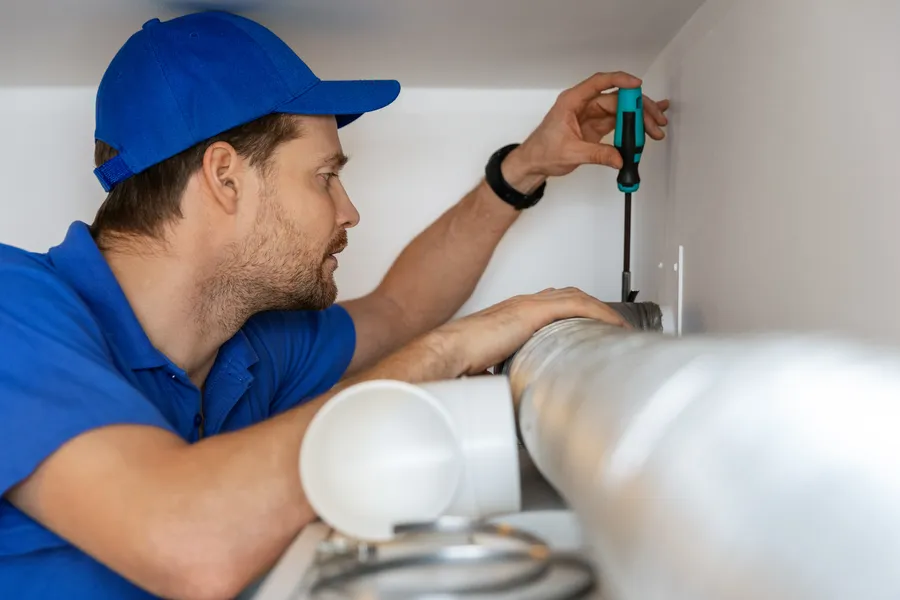
Before starting a dryer duct installation, gather the right tools and materials. Using the wrong parts can slow airflow and cause lint buildup. This job is part of home improvement and should be handled with care.
Here is what you will need:
- Rigid or semi-rigid metal duct pipe
- Exterior vent hood with damper
- Duct clamps or metal foil tape
- Drill and screws
- Foil-backed tape (not regular duct tape)
- Tape measure
Avoid plastic or thin foil vents. They sag over time and trap lint. Metal ducts hold their shape and allow smoother airflow.
Step-by-Step Dryer Duct Installation Process
Installing a dryer vent is not hard, but each step matters. Follow this basic process for a safe setup.
-
Choose the shortest route. Pick a path that leads straight outside. Fewer turns mean better airflow.
-
Measure and cut the duct. Measure the distance from the dryer to the outside wall. Cut the pipe to fit.
-
Install the wall vent. Insert the exterior vent hood into the wall opening. Secure it tightly and seal around it.
-
Connect the duct sections. Join the metal pieces together. Use clamps or foil tape to seal the seams.
-
Attach the duct to the dryer. Slide the vent pipe over the dryer outlet and secure it.
-
Test the airflow. Turn on the dryer and check outside. The vent flap should open fully.
If air is weak or leaking inside, recheck the joints. Small gaps can reduce performance.
Common Mistakes to Avoid
Many dryer problems start with poor vent installation. Even small errors can lead to long drying times or overheating.
- Using flexible plastic hose instead of rigid metal
- Making too many sharp turns in the vent line
- Running the duct too long without support
- Sealing joints with standard duct tape
- Venting into an attic or crawl space instead of outside
Each bend slows the air down. Try to keep the system straight and supported every few feet. Always vent to the outdoors. Indoor venting pushes moisture and lint into your home.
When to Call a Professional
Some homes have tight spaces or long vent runs. If the duct must travel through multiple walls or ceilings, the job gets harder. You may also need help if:
- The vent runs more than 25 feet
- You are cutting through brick or concrete
- There is mold or heavy lint buildup in old ductwork
- Your dryer keeps overheating after cleaning
A trained team can check the airflow, measure the run length, and upgrade old materials. They also know local building codes. That helps prevent problems later.
Final Recommendation and Next Steps
A solid dryer duct installation helps your appliance work the way it should. It cuts drying time and lowers energy waste. It also reduces the chance of a vent fire caused by trapped lint. If you are replacing an old vent or setting up a new laundry space, take time to plan the layout. Use metal ducts, keep runs short, and seal every joint well. A few careful steps now can prevent costly repairs down the road.
Get Reliable Help With Your Dryer Vent Project
If you need help with dryer duct installation in Old Bridge, NJ, we are ready to assist. At Mighty Ducts Dryer and Vent Cleaning, we handle vent setup, replacements, and airflow checks with care and attention to detail. Call us today at (732) 925-1778 to schedule service or ask questions about your dryer vent system, and we will be glad to help you choose the right solution for your home.