Proper Vent Setup Allows Air to Move Freely and Dry Clothes Faster
Dryer vent installation affects airflow efficiency by controlling how easily hot, moist air leaves your home. When the vent is short, straight, and sealed well, air moves faster and your dryer works better. If the vent is too long, crushed, or poorly placed, air gets trapped. This slows drying times, raises energy use, and can lead to lint buildup. A good setup helps your dryer run safely and smoothly.
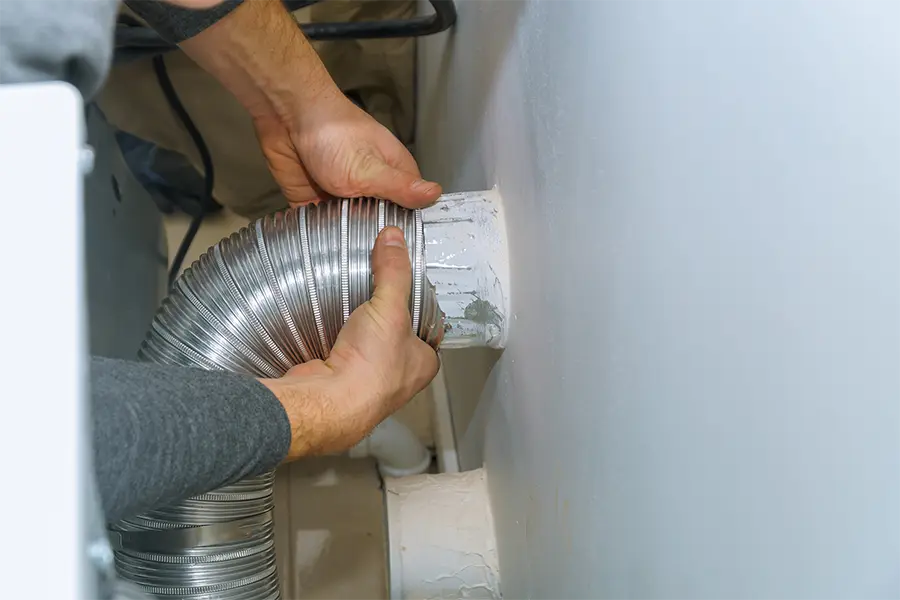
What You Need Before Starting
Before starting a dryer vent installation, you need the right materials and a clear path to the outside wall. Planning matters. A poorly planned route can reduce airflow before the dryer even runs.
- Rigid or semi-rigid metal vent duct
- Exterior vent hood with damper
- Foil HVAC tape
- Wall cap and mounting screws
- Drill and vent hole saw
Rigid metal ducts are best because they allow smooth airflow. Flexible plastic or foil ducts trap lint and sag over time. That lowers airflow efficiency.
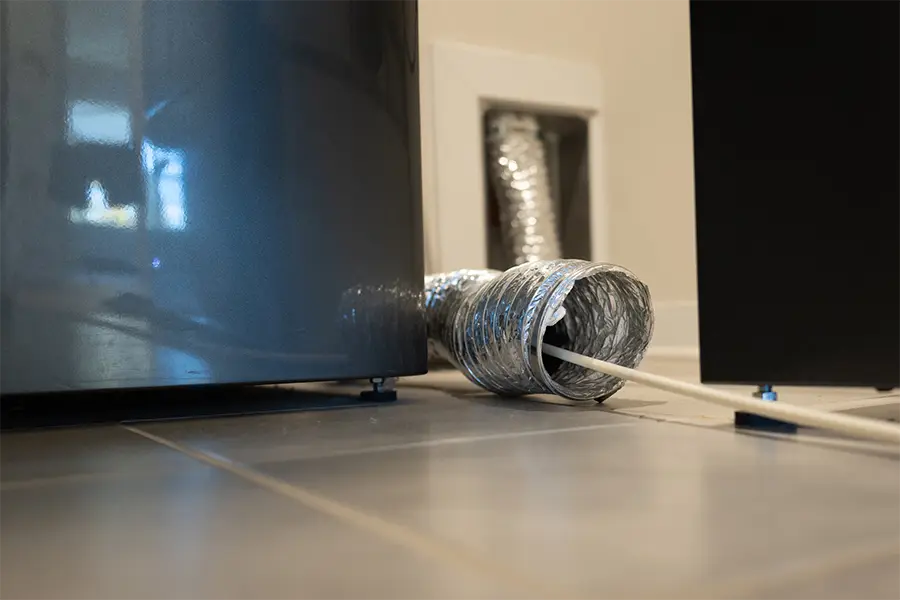
Step-by-Step Process
Installing the vent the right way makes a big difference in how your dryer performs. Follow these core steps for better airflow:
- Choose the shortest and straightest path to the outside.
- Cut a properly sized hole for the wall vent cap.
- Install the vent hood and seal gaps to stop air leaks.
- Connect rigid duct sections with foil tape, not screws.
- Avoid sharp bends that block air movement.
- Attach the duct securely to the dryer outlet.
- Test airflow before pushing the dryer back in place.
Each turn in the vent line slows air down. Even one tight bend can reduce airflow power. Keeping the line straight improves efficiency right away.
Common Mistakes to Avoid
Small errors during dryer vent installation can lead to big airflow problems later.
- Using long, flexible plastic ducts
- Allowing the vent to sag behind the dryer
- Placing too many 90-degree turns in the line
- Ventilating into an attic or crawl space
- Failing to seal duct joints properly
Venting into indoor spaces traps moisture. This can cause mold and wood damage. It also reduces drying power because humid air has nowhere to go.
Another mistake is ignoring local building code for ventilation systems. Codes often limit vent length. The longer the duct, the harder your dryer must work to push air out.
Why Airflow Efficiency Matters
Strong airflow helps remove heat and moisture from clothes quickly. When airflow is blocked, your dryer runs longer to get the same result. That means:
- Higher energy bills
- Longer drying cycles
- Excess heat buildup inside the dryer
- More lint collecting in the duct
Lint buildup is more than just a nuisance. It can become a fire risk if airflow stays restricted. A well-designed dryer vent installation helps push lint outward instead of letting it settle inside the duct.
When to Call a Professional
Some homes make vent routing simple. Others do not. If your laundry room sits far from an exterior wall, you may need a longer duct run. Multi-story homes can also require vertical venting. These setups affect airflow efficiency and must follow code.
You should call a professional if:
- The vent run exceeds recommended length
- You need roof venting instead of wall venting
- The previous system caused repeated clogging
- You notice burning smells or excess heat
A trained technician can measure airflow pressure and check for hidden blockages. They can also upgrade older ducts to rigid metal for better performance.
Keep Your Dryer Running Efficiently
If you live in Old Bridge, NJ and want better dryer performance, proper vent routing makes a real difference. At Mighty Ducts Dryer and Vent Cleaning, we install vent systems that support strong airflow and safe operation. We check duct length, reduce sharp turns, and seal every joint tightly. If your clothes take too long to dry or your vent system needs replacement, call us at (732) 925-1778 so we can help improve your setup and keep air moving the way it should.